Monday, September 18, 2023

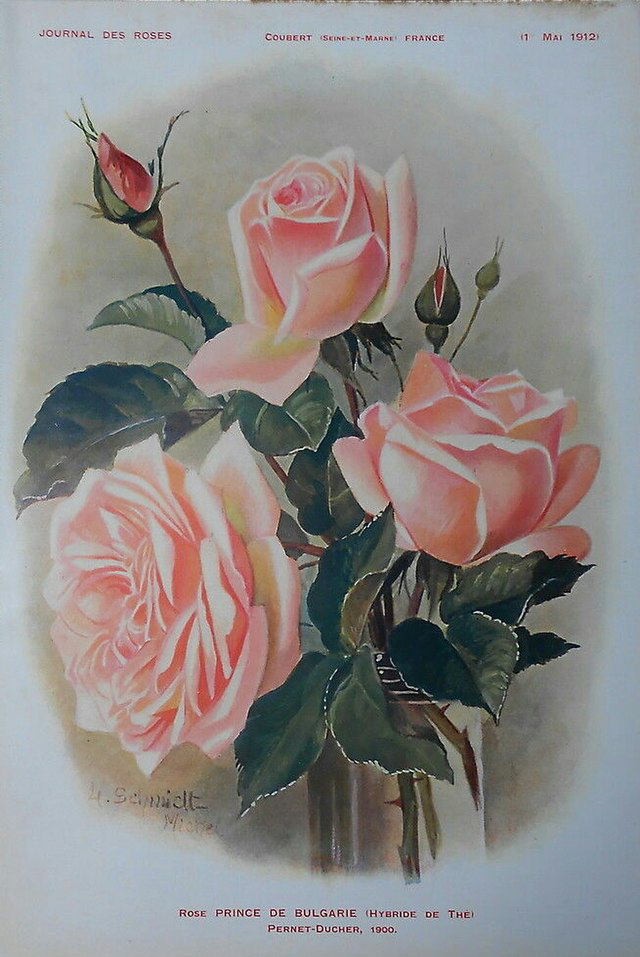
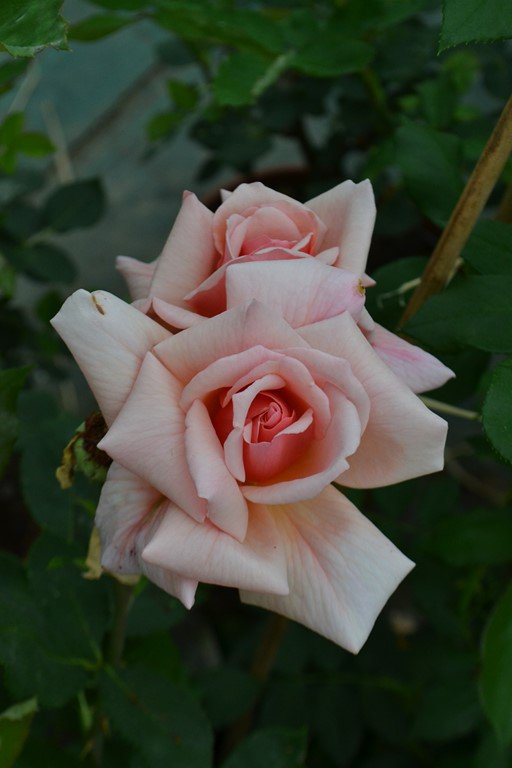
Prince de Bulgarie

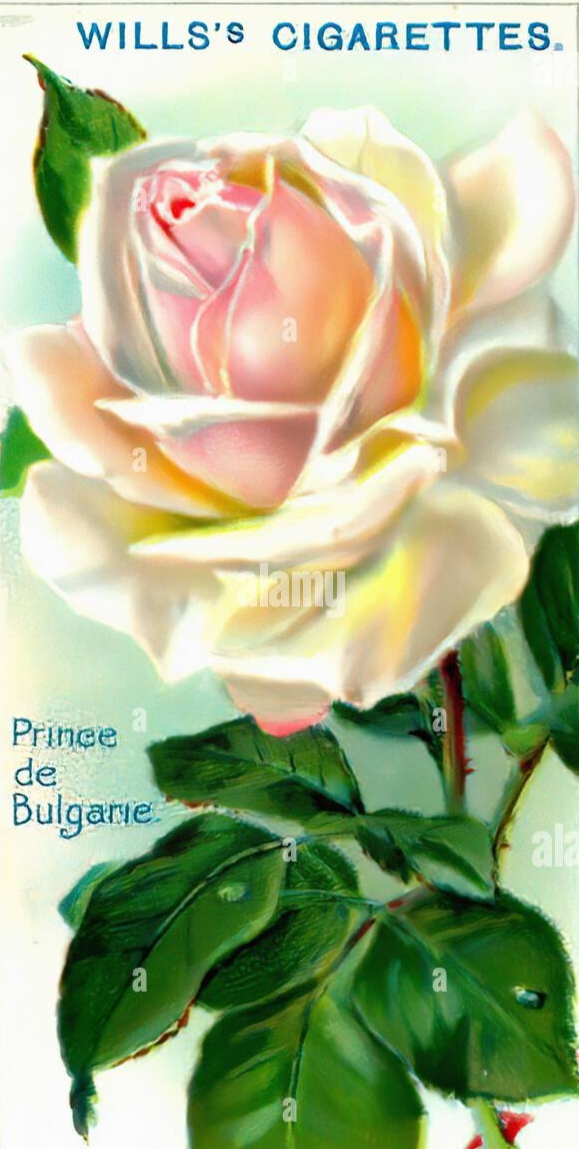
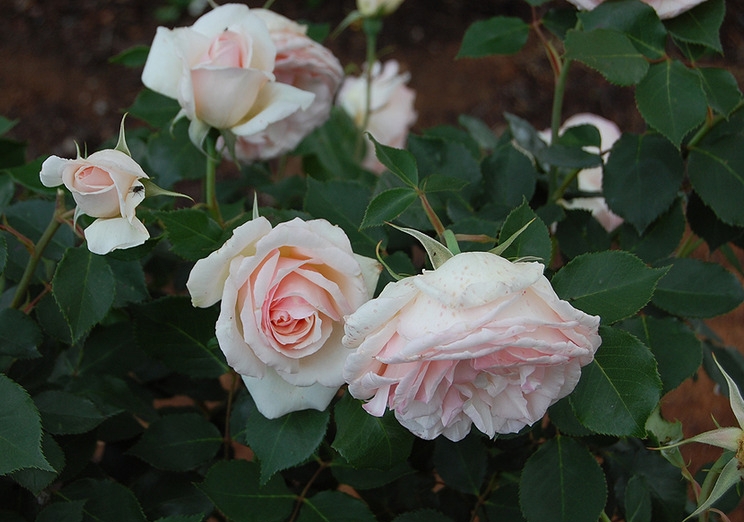
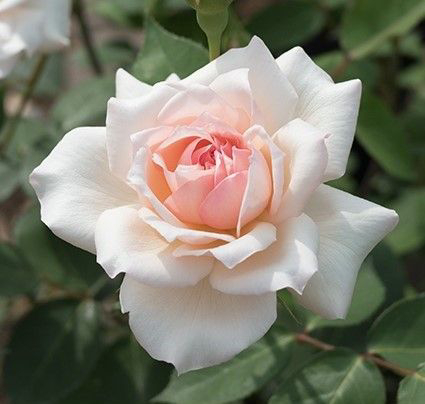
PRINCE DE BULGARIE

Pernet Ducher 1900

Early Hybrid Tea 

Parents: Unknown 

Just like her sister, Antoine Rivoire, Prince de Bulgarie was extremely popular between 1900 and 1930.
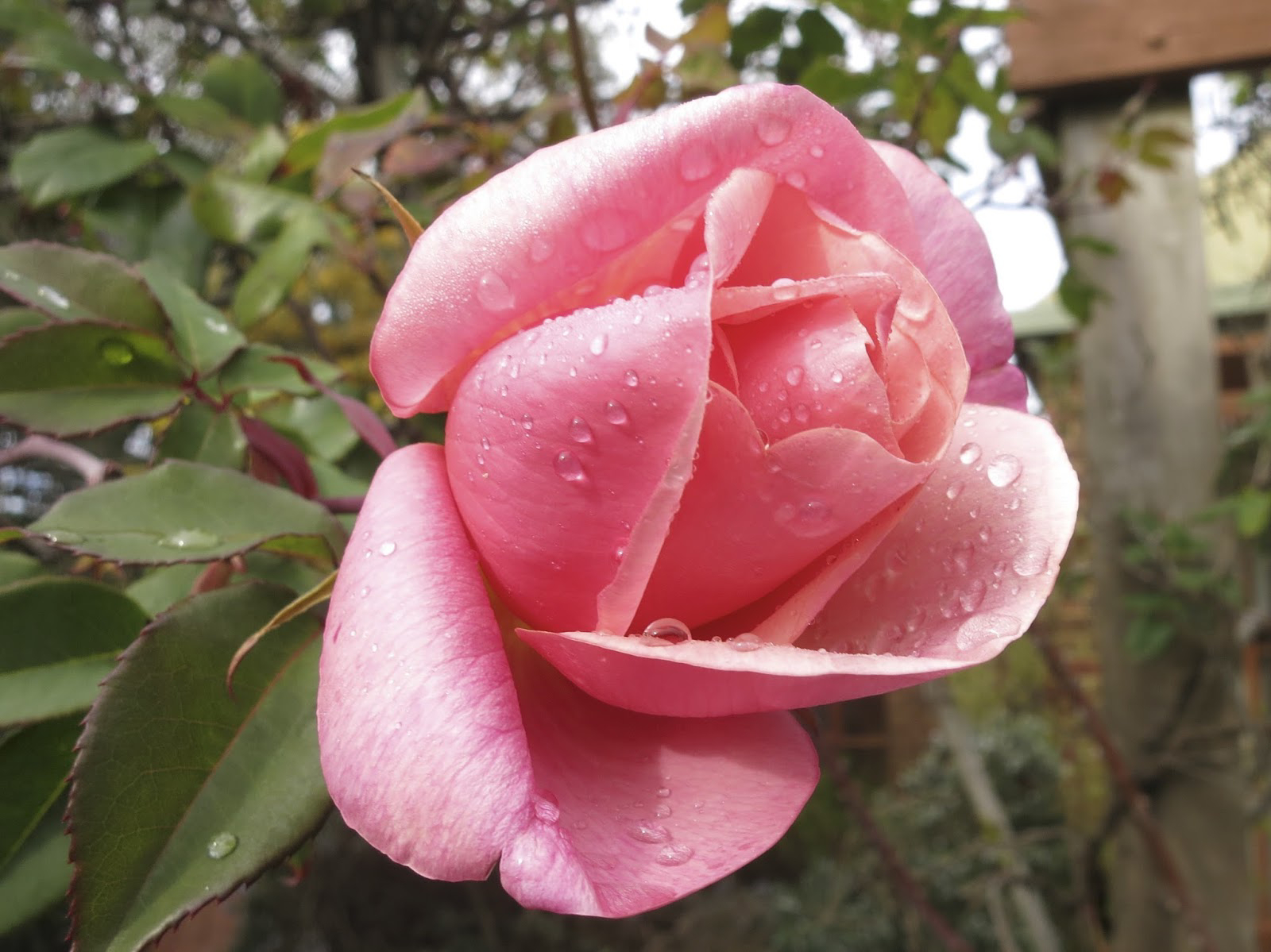
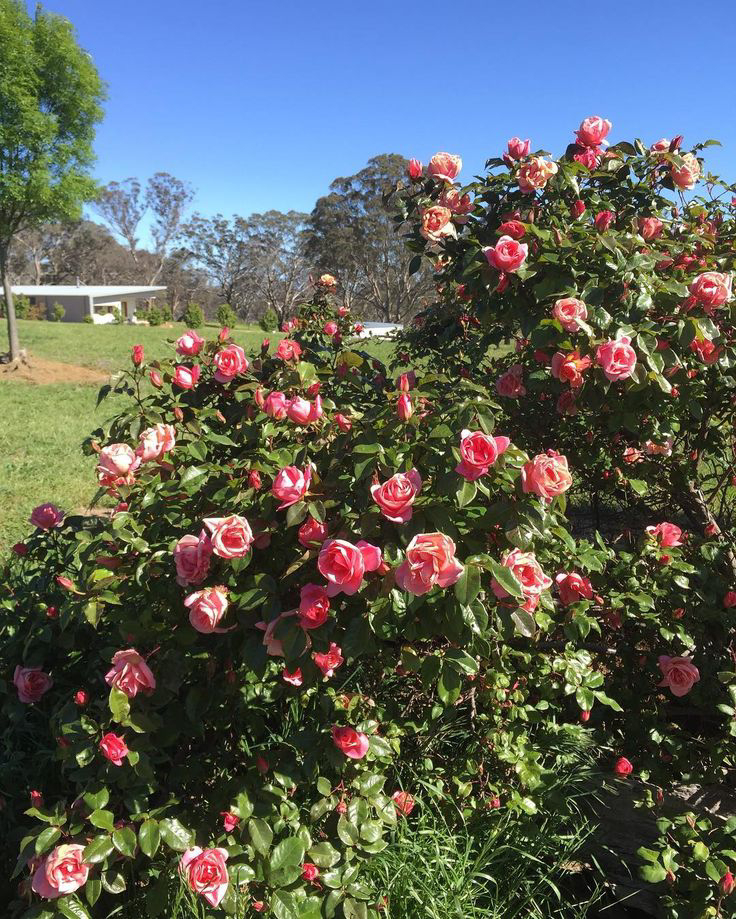
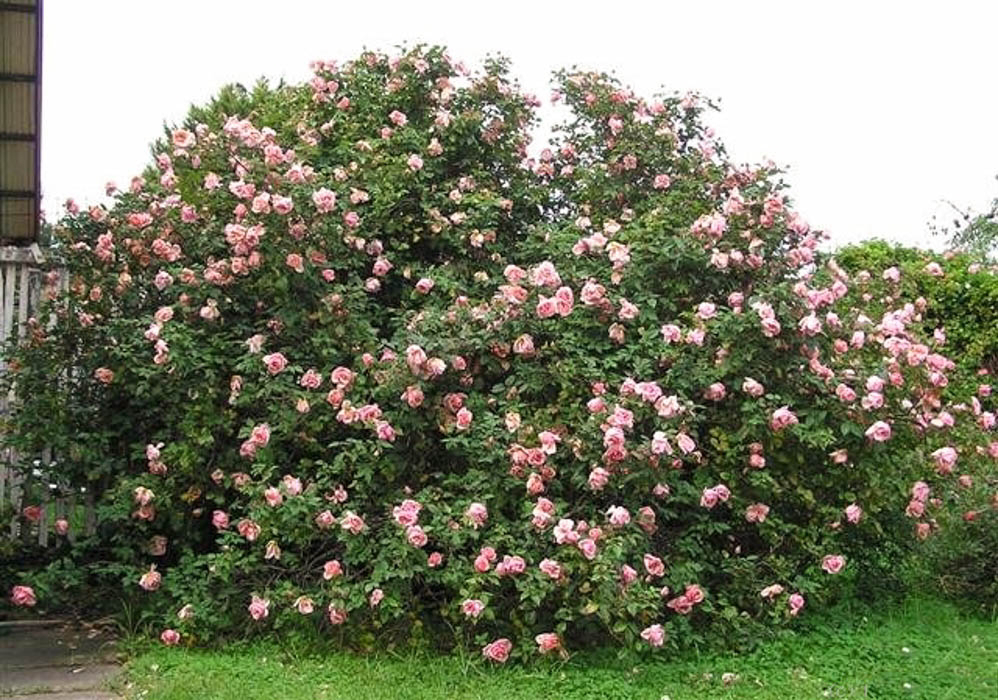
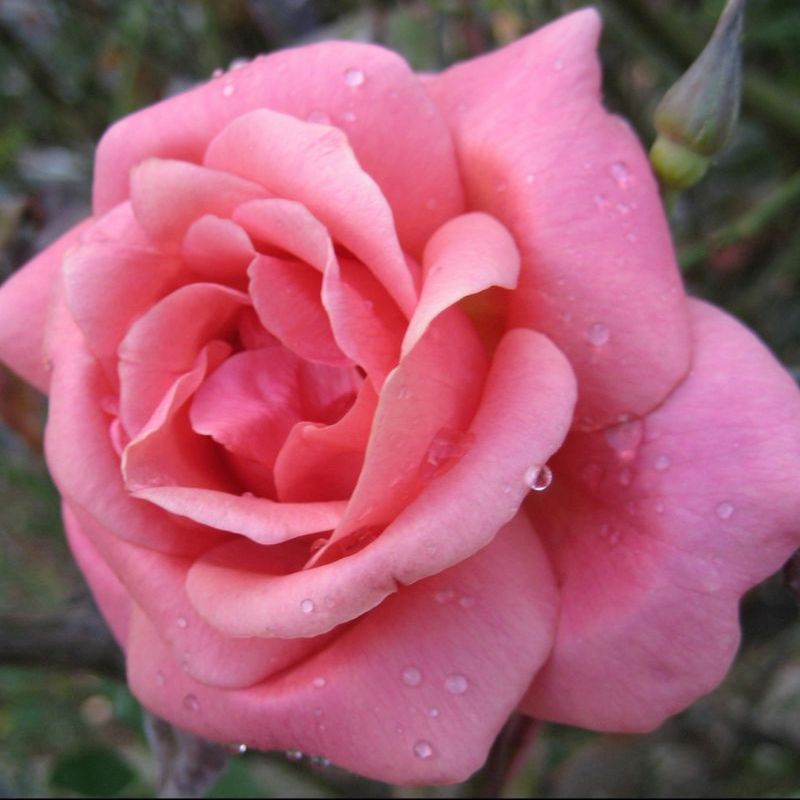
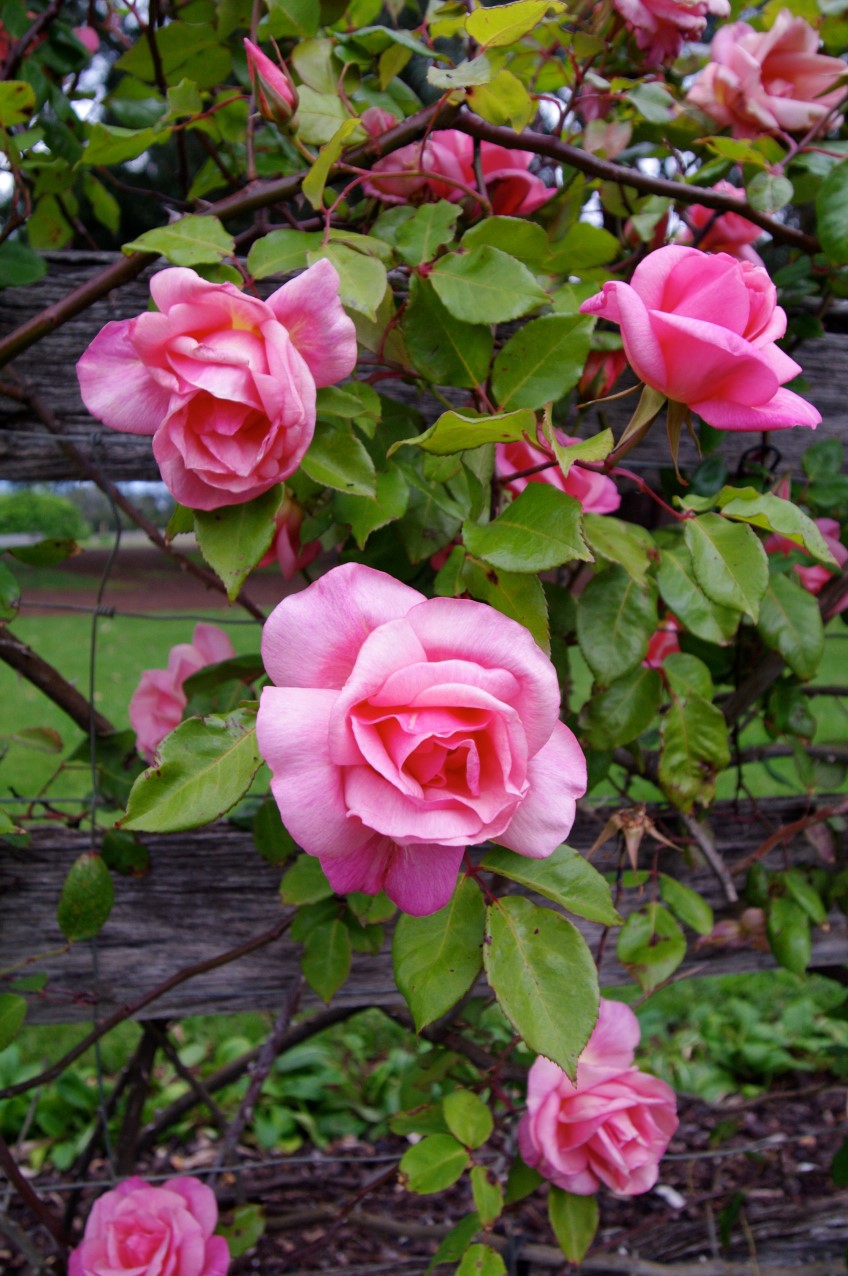
Light pink with darker salmon pink shading in the center. Big, double, high centered buds opening into high centered cupped blooms evolving into flat saucers. Good fragrance. Nice little shrub with a rounded shape. Can get 120cm or 4 feet. Zone 6b to 10b. Blooms freely all summer long. Has developed some susceptibility to Blackspot but nothing serious.

Her popularity can be seen on paintings, cigarette boxes etc from that period. It still is a beautiful rose which deserves a renewed attention just like her sister Antoine Rivoire. 

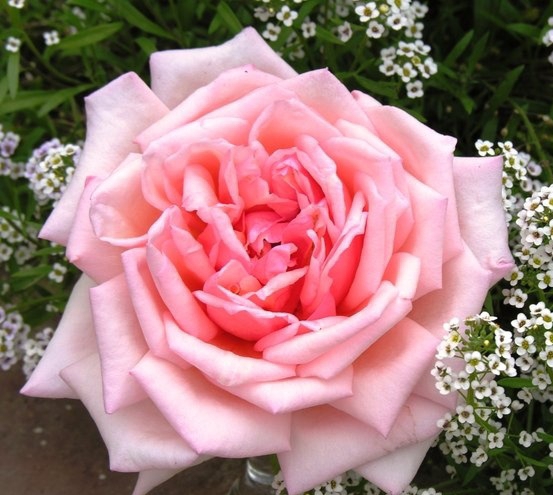
Antoine Rivoire

ANTOINE RIVOIRE

Bred by Jean Pernet Ducher 1895

Early Hybrid Tea 

Dr. Grill X Lady Mary Fitzwilliam 

A gem from the early days of Hybrid Teas. Antoine Rivoire was a huge succes for Pernet Ducher and she stayed popular for decades. 
Light pink, high centered buds and typical Hybrid Tea blooms in small clusters or borne solitary. Moderate but delicious fragrance. Blooms freely all summer long. Makes a good rounded shrub 80X80 cm or 3X3 feet. Zone 6b to 10b
This rose has a special place in the heart of rosarians in Texas. Nearly all nurseries sell Antoine Rivoire and they admit it's a special rose. She is gorgeous. 
Antoine Rivoire is probably one of the parents of famous Ophelia 

Ophelia

OPHELIA

Introduced by William Paul in 1912

Early Hybrid Tea 

Parents unsure but probably Antoine Rivoire and Prince de Bulgarie, both Pernet Ducher roses. 

Lots has been written about Ophelia because of her immense popularity during the first half of the 20th century. This rose got 128 sports! Rose experts think that 40% of modern roses has Ophelia as an ancestor. Her influence in the creation of modern roses is unsurpassed. 

So? What's the fuss about? What kind of rose is Ophelia? White to flesh pink with a bit stronger pink in the center, high centered buds and bloom shape. Once open the blooms are double and big and show rather pink stamen. The blooms stand in small clusters of two or three or are borne solitary. Aside from her exquisite appearance Ophelia has the most delicious rose fragrance in history after La France. It is so refreshing and flowery. 
The shrub is rather short and will reach 100 cm or 3 feet. Foliage is healthy but can sometimes suffer from mildew. Flushes freely throughout the season. Zone 6b to 10b 
Ophelia has produced many sports and two almost identical roses are also available today: Lady Sylvia and Madama Butterfly. Ophelia, Lady Sylvia and Madama Butterfly all got climbing sports and they are even today regarded as the best examples of Climbing Hybrid Teas. 
Believe me when I say that the climbing Lady Sylvia rose is a real gem against a wall. Blooms are huge and that fragrance... 😏 

Ophelia is still widely available in Europe, USA and Australia 


Sunday, September 17, 2023

Comtesse Vandal

COMTESSE VANDAL 

Bred by: Matthias Leenders 1932
Hybrid Tea, Pernetiana 
Introduced in the USA by Jackson & Perkins in 1932
Parents: Ophelia X Mrs Aaron Ward 

Pink, Salmon pink shading, yellow undertones, coral reverse. Very high centered bloom form. Sweet wine fragrance. Very floriferous, blooms in flushes throughout the season. Although an early HT Comtesse Vandal still is a very healthy rose. Also she's quite hardy zone 6b to 10b. Nice, rather short growth up to 100 cm or 3 feet. Can be used in the border, pots, cut flower and standard rose

Early Hybrid Teas still capture this unique refinement we see in the Teas and Comtesse Vandal is an excellent example of this. She's also a Pernetiana so her beautiful color would have made lots of people happy. 

I came across this rose in a French little garden next to a small road. The owner was weeding and I asked her which rose it was: Ah, C'est Comtesse Vandal Monsieur. I'm glad I asked 😊

Autumn soil maintenance & improvement

Autumn is THE time of year to give your rose soil a good maintenance and improvement. With soil I mean the top layer of the soil, the humus layer. This layer is our Perpetual engine that keeps turning organic matter into food for our roses. So if we don't add organic materials each year the engine will come to a stop, the fuel thank is empty.
The best time to add organic matter is at the end of October and November. The most common material is leaf or garden compost but manure compost, worm castings or even dried cow manure also works great. Now how much do we apply? As much as you can! There's no maximum. I would say a good thick layer of let's say 10 cm or 3“ thick but more is better. Just spread it around and underneath your roses and perennials till the whole soil is covered with a thick layer. This is also the best opportunity to add Volcanic Rock dust to our soil. This dust is the best provider of minerals and trace elements, it improves the soil significantly. Just spread a thin layer on the soil before you add the compost. You can work it in a little bit but that's not really necessary. When that's done you spread your organic material on top. The good soil bacteria, earthworms and other good creepy crawlies will immediately start to transform it into black gold for our roses so that by March they get the best start.

* Very sandy and poor soils can be improved by adding Bentonite clay. Just work it in your topsoil. These poorer soils need even more organic matter so give them a very thick layer.


Friday, September 15, 2023

Roses in the fire of spring: A review


M. S. Viru and Girija Viraraghavan are acclaimed rosarians from India. Growing up with the old European Tea roses they noticed how much harmful chemicals were needed to make them flourish in the warm and humid parts of India. Out of love for the Queen of flowers they embarked on a journey to find almost mythical, tropical, wild roses. Their goal? Creating new "old" roses which are suited for the warmer parts of the world. Their journey took them to many parts of the world, from Europe to Latin America and from China to Japan.

Now they have written a book about their lives work: "Roses in the fire of spring. Better roses for a warming world and other garden adventures" takes you on an epic rose journey and as a reader you feel as if you're experiencing it with them. Excitement, joy, disappointment and ecstasy, you feel what they feel. The journey takes us to forests, swamps and mountains and all in search for success. Success came when they found those legendary "tropical" wild rose species like R. Gigantea and R. Clinophylla and we get submerged in their efforts to create new roses with these wild species.

Roses in the fire of spring is especially important because of climate change and the search for heat and drought resistant roses is bigger than ever.

The book is extremely detailed and gives reviews of all the roses they've created so far accompanied by beautiful pictures.

"Remembering Cochet", "Naga Belle", "Faith Whittlesey" and "Aussie Sixer" are just a few of their creations and I can honestly say they are jaw dropping.

"Roses in the fire of spring" is Viru and Girija's rose testament and what a testament it is! This book will become more and more relevant the coming years and it's Viru and Girija's wish that many rosarians will continue their work. The foundation has been laid so now it's up to the next generation...


Thursday, September 14, 2023

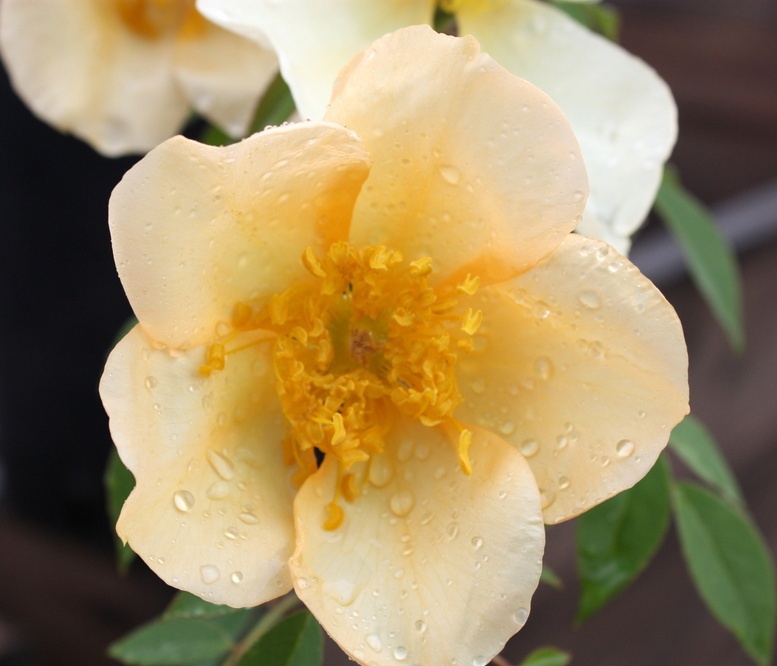
Amber Cloud

Amber Cloud, Viru and Girija Viraraghavan 2006

Hybrid Gigantea 

Rêve d'or X R. Gigantea Collet ex Crépin 

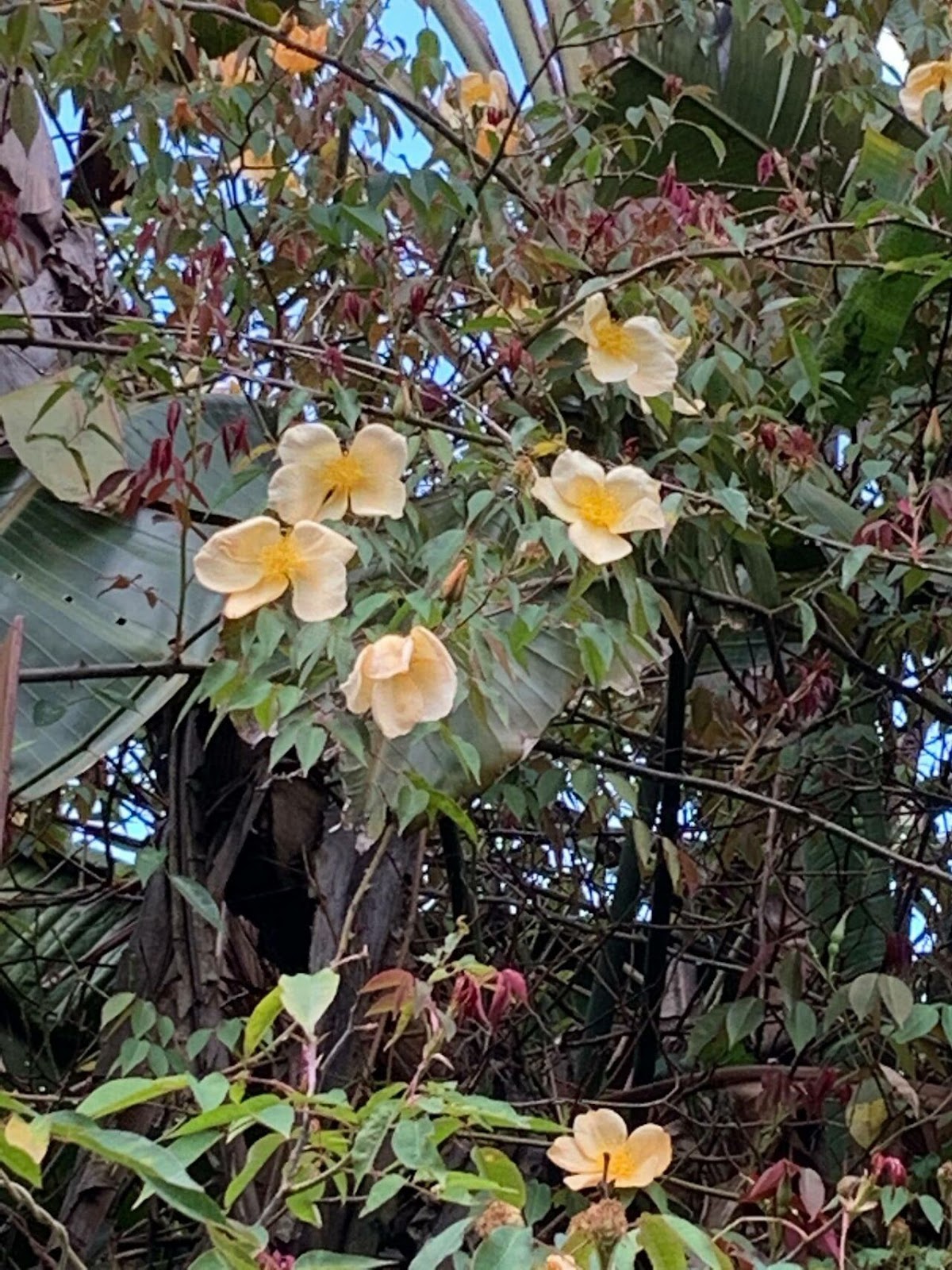
Extremely long, high centered buds open into very large (13 cm or 5 ") single amber flowers with golden stamen. When fully opened the flowers look like giant yellow butterflies 🦋. Fresh Tea fragrance
Light green, beautiful foliage which is very healthy. Heat tolerant Zone 7b to 11b.
This rose has the most beautiful tropical look and feel. It wraps itself around trees, large shrubs, pergola's etc. It can reach 6 meters or 18 feet.
She reminds me of Mermaid, the famous Hybrid Bractaeta, but Amber cloud has much larger flowers. 
Highly recommended rose 

Lorraine Lee

Lorraine Lee, Alister Clark 1924

Climbing Tea / Hybrid Gigantea 

Jessie Clark X Capitaine Millet

Australia's favorite rose is also from the greatest Australian rose breeder Alister Clark. But I like chauvinism if it's well deserved and with Lorraine Lee it's certainly the case.
Big pink with peach and apricot shading HT flowers with a superb strong fragrance. Very vigorous and Perpetual blooming. 
300X200 cm or 9X6 feet. No other Australian rose blooms that early and that long. Zone 6b to 10b. Heat and rain tolerant
There is a climbing version which is even more vigorous. 
Highly recommended rose